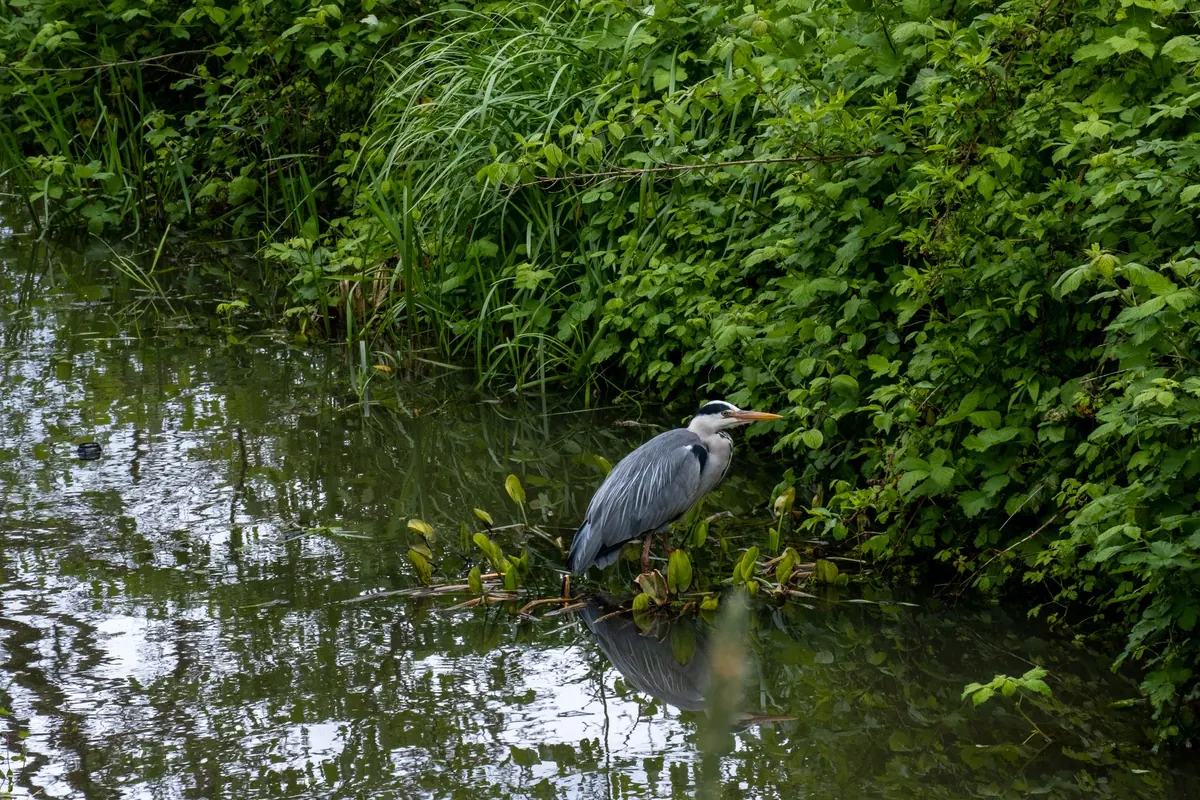
How to Photograph Herons in Flight: Settings, Fieldcraft and Ethics
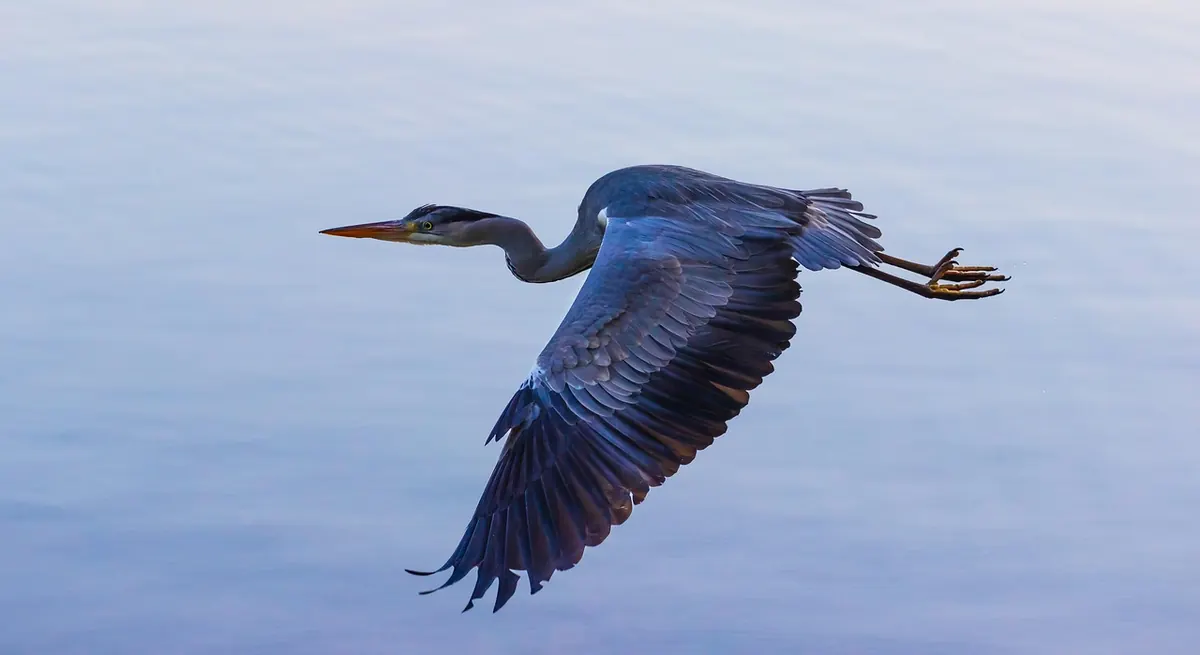
Grey herons look slow, and that is the trick of them. A bird cruising over the river at dusk flaps with such unhurried confidence that you assume the shot is in the bag — then you open the files at home and find a soft grey smudge with the beak somewhere near the edge of the frame. Flight photography is less about luck than about having three things decided in advance: a shutter speed you trust, an autofocus mode you understand, and a position that puts the bird where you want it before it appears.
Shutter speed: the number that decides everything
Wingtips travel much faster than a heron's body, so the speed you need depends on what you are prepared to lose. A bird gliding in to a lake on a still evening will hold up at 1/800 sec. A bird launching off a bank, with that sudden snap of wings and trailing legs, needs 1/1600 sec or faster. Somewhere between the two, the wingtips blur and the head stays sharp — which often looks better than everything frozen, but should be a deliberate choice rather than an accident.
Raise the ISO before you drop the shutter speed. Grain is easy to live with; a blurred eye is not. On a dull morning at 1/1600 sec you may well be at ISO 3200, and that is fine.
Exposure catches people out just as often. The white crown and cheeks clip before anything else, and blown white plumage cannot be recovered. Against a bright overcast sky the bird itself will be darker than you expect, so expose for the heron — spot metering, or manual with auto ISO — and let the sky go. A touch of minus exposure compensation helps when a pale bird fills much of the frame. Shoot raw and check the histogram.
Autofocus settings for a bird that won't sit still
Use continuous autofocus, a tracking area, and your camera's subject detection if it has one. Modern mirrorless bodies will often pick a heron out of the sky unprompted, but they will just as happily lock onto reeds behind it once the bird drops below the skyline. If your camera lets you limit the focus range or shrink the zone, that is your safeguard.
Pre-focus. Pick the spot the bird will pass — the far bank, the top of a post, the edge of a reedbed — and focus there so the lens has nothing to hunt through when the action starts. Then hold focus on the body rather than the beak: the head is small and moving, while the chest gives the system something to grip.
A reasonable starting point for a morning at the water's edge:
- Manual mode, 1/1600 sec, f/5.6–f/8, auto ISO with a ceiling you can live with
- Continuous AF with tracking, subject detection on, focus limiter set if you have one
- Burst at a moderate rate — long bursts fill the buffer and leave you with thirty near-identical frames
- Lens stabilisation in its panning mode, or off if the camera is on a tripod
- Raw files, and a spare card
Light, position and background
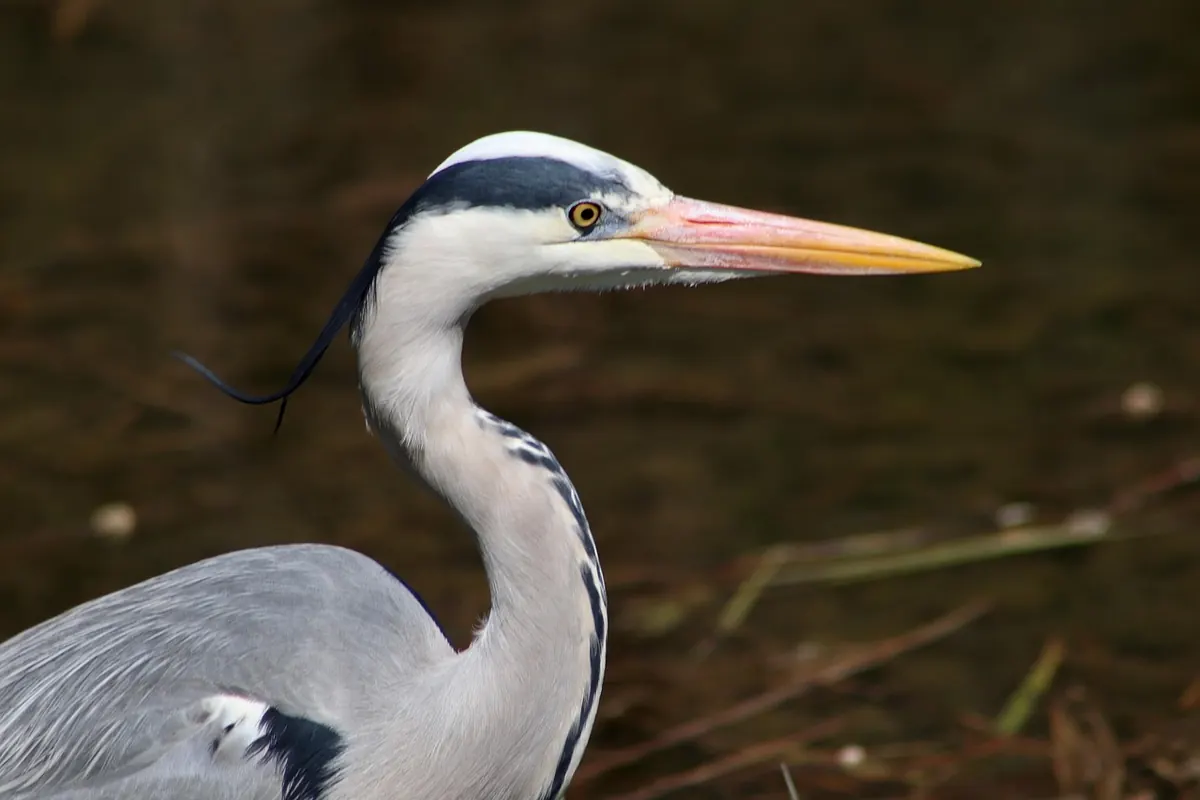
Where the sun is matters more than which lens you own. A heron lit from the side shows the texture of the neck plumes and the shape of the wing; a heron lit from behind becomes a silhouette, which can be lovely over misty water but is a one-trick shot. Early and late are generous to grey plumage in a way midday never is.
Then think about what is behind the bird. Against open sky a heron looks like a diagram. Against dark trees, a reedbed in shadow or a line of willows, the pale head separates cleanly and the picture gains depth. Get low where you can: crouching at the water's edge lifts the bird onto clean water instead of a tangle of bank and path. Check the frame edges too — a pylon or a fishing platform will ruin an otherwise excellent flight shot.
Fieldcraft: where to stand, and when to press
Herons are wary, and they have good reason to be. They also have habits, and habits are what you are really photographing.
Find a flight line. Herons commute — between a heronry and a feeding river, between one pond and the next, along a particular bend — and they often use the same route at the same sort of time. Once you have watched one do it twice, you know where to stand.
Approach diagonally rather than head-on, keep low, use a hedge or a bag hide, and stop moving when the bird looks up. Then read the body language. A heron that dips its head, crouches slightly or shifts its weight from foot to foot is about to leave. That is the moment to raise the camera, not the moment the wings open.
Start the burst early. Pan from the waist, follow through after the shutter has stopped rather than freezing the instant you press, and keep both eyes open if you can so you can see where the bird is heading.
Distance, nests and the ethics of the shot
If a heron changes what it is doing because of you, you are too close. Feeding stops, the neck straightens, the bird walks or flies off — all of it costs energy that a heron, especially in a cold snap, cannot spare. Long lenses and patience beat creeping forward. A hide, a screen of branches, or simply sitting still at a distance for twenty minutes will teach you more about a heron's routine than a week of stalking.
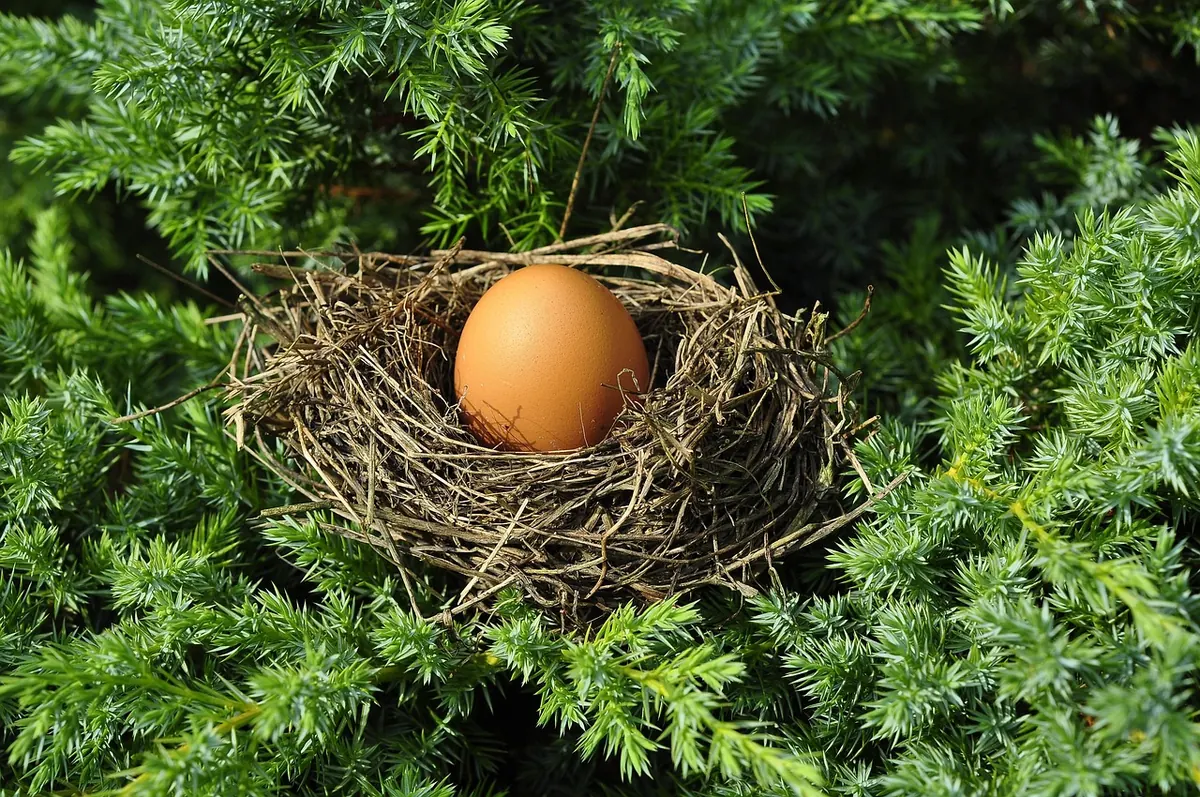
Around heronries, be more careful still. Nesting runs through the spring, and disturbance at a colony can affect eggs and young birds. Stay well back, use a long lens and a crop, keep away from nest trees, and follow whatever rules the site sets — reserve closures, permits and wardens' advice exist for good reason. If you are unsure about access or restrictions at a particular site, ask the landowner or the managing wildlife organisation before you go.
A few other habits are worth leaving behind:
- Don't bait with fish to pull a heron into range
- Don't play calls to provoke a reaction
- Don't fly a drone near a heron; the response is immediate and stressful
- Don't block a footpath or a fishing peg to get your angle
Putting it together
Arrive early, in more than one sense. Half an hour before the light is good gives you time to find the flight
Photo: TheOtherKev / Pixabay